Online Safety – Complete Guide
Published: 28 Jan 2026
You lock your house and protect your phone, but do you know what is online safety when you browse, shop, or scroll online? Many people feel safe online until something goes wrong. A hacked account or stolen data often comes as a shock.
Online safety simply means staying protected while using the internet. It helps children avoid harmful content, teens stay safe on social media, adults protect money and identity, and businesses secure their data. Online risks like scams, hacking, and privacy leaks affect real people every day.
In this article, we will discuss online safety in detail and explain how it affects your daily digital life. You will also learn why online safety matters and how you can protect yourself with simple, practical steps.
Online Safety
Online safety is the practice of using the internet in a way that protects people from harm.
It focuses on keeping individuals safe while they communicate, share information, learn, work, and socialize online.
In simple terms: online safety is about protecting people, not just computers.
Definition of Online Safety
Online safety means staying safe while using the internet. It involves protecting your personal information, avoiding online scams, and maintaining healthy and respectful online behavior.
Although often confused with cybersecurity, online safety is broader and more user-focused. Cybersecurity mainly deals with protecting systems and networks, while online safety aims to protect:
- Personal privacy and identity
- Financial information
- Emotional and mental well-being
- Digital reputation
Why Is Online Safety Important?
Internet usage has grown rapidly due to social media, online shopping, remote work, and digital banking. As more personal data is shared online, cybercriminals have more opportunities to exploit users who are unaware or unprepared.
Poor online safety can lead to serious real-world consequences, including financial loss, emotional distress, and damaged reputations. Individuals, families, and organizations all face risks, making online safety an essential part of modern digital life.
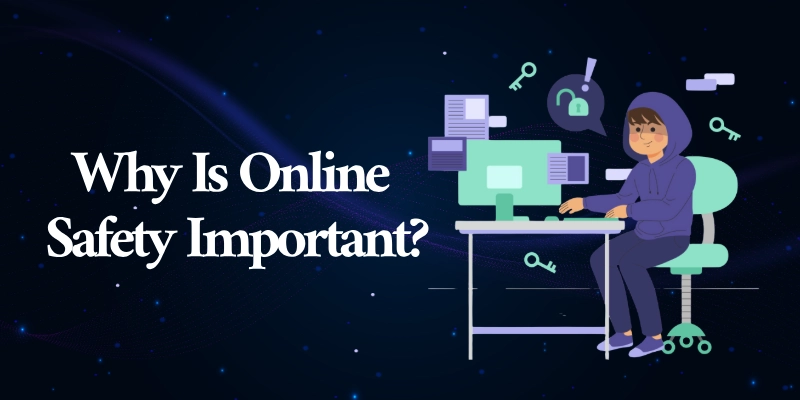
The following points further explain the importance of online safety in today’s digital world:
- It helps people use the internet safely and confidently.
- It encourages respectful and secure online communication.
- It protects personal data from misuse and unauthorized access.
- It teaches children and young people safe online habits early.
- It helps organizations maintain trust and follow legal rules.
- It raises awareness of new and emerging online threats.
Common Online Safety Threats
Understanding online threats is the first step toward preventing them. While many people recognize these risks, few understand how deeply they can affect daily life.
Below are some of the most common online safety threats explained in detail.
- Phishing and Online Scams
- Malware and Viruses
- Identity Theft
- Cyberbullying and Online Harassment
- Data Privacy Risks
1. Phishing and Online Scams
Phishing scams attempt to trick users into sharing sensitive information by pretending to be trusted sources. These scams often appear legitimate and are designed to create urgency or fear.
They commonly occur through:
- Emails pretending to be banks or companies
- SMS messages with fake alerts
- Social media messages offering rewards or warnings
2. Malware and Viruses
Malware is malicious software designed to damage devices or steal data. It can infect systems without users even realizing it.
Malware spreads through:
- Infected downloads
- Unsafe websites
- Email attachments
- Fake software updates
3. Identity Theft
Identity theft occurs when criminals steal personal information to impersonate someone. This can result in unauthorized transactions and legal complications.
Personal data is often stolen through data breaches, phishing scams, or unsecured websites, making strong data protection essential.
4. Cyberbullying and Online Harassment
Cyberbullying involves repeated harmful behavior online, such as threats, insults, or public shaming. It commonly affects children and teenagers but can impact adults as well.
The emotional and psychological effects include anxiety, depression, low self-esteem, and social withdrawal, highlighting the need for safe online environments.
5. Data Privacy Risks
Many websites and apps track user behavior, often without clear consent. Oversharing on social media also increases exposure to privacy risks.
Common privacy threats include:
- Excessive data tracking
- Misused app permissions
- Public sharing of personal details
Online Safety for Different Age Groups
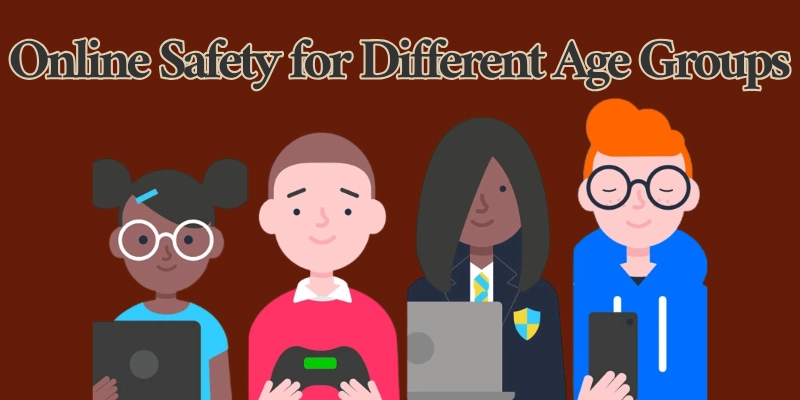
Online safety needs vary depending on age and online activity. A one-size-fits-all approach does not work in digital safety.
Understanding age-specific risks helps create more effective protection strategies.
Online Safety for Children
Online safety for children is a major concern because young users often lack the awareness needed to recognize online dangers. Children may accidentally access inappropriate content, click on unsafe links, or interact with strangers through games and videos. For example, many online games allow open chat features where unknown users can message children, increasing the risk of exposure to harmful behavior.
To reduce these risks, parents and caregivers must actively guide children’s internet use. A strong foundation of supervision and safe browsing habits helps children enjoy the internet without unnecessary exposure to danger. Some essential safety measures that support online safety for children include:
- Parental controls, which limit access to harmful content and restrict screen time
- Child-friendly websites and apps designed specifically for young audiences
- Monitoring online gaming interactions to prevent contact with strangers
Real-life cases show that children who are guided and supervised online are less likely to fall victim to online predators or disturbing content. Open communication, where children feel safe talking about their online experiences, further strengthens their digital safety.
Online Safety for Teenagers
Teen online safety is increasingly important as teenagers spend significant time on social media platforms, messaging apps, and online communities. While these platforms help teens connect and express themselves, they also expose them to risks such as cyberbullying, peer pressure, and harmful trends. For instance, a teenager may feel pressured to share personal photos or participate in viral challenges without understanding the long-term consequences.
Education and awareness are the most effective ways to improve online safety for teenagers. When teens understand how online platforms work, they can make smarter decisions and avoid risky behavior. Key areas that play a major role in teen online safety include:
- Privacy settings on social media, which control who can view posts and personal information
- Recognizing harmful or manipulative content, such as fake profiles or misleading messages
- Practicing respectful online behavior to prevent and respond to cyberbullying
Real-world examples show that teenagers who are educated about digital risks are more confident and responsible online. Teaching teens to think critically before posting or responding online helps protect their mental health and digital reputation.
Online Safety for Adults
Online safety for adults focuses on protecting financial information, personal data, and professional assets. Adults are commonly targeted by phishing scams, fake online stores, and fraudulent investment schemes. A common real-life example is receiving an email that appears to be from a bank or employer, asking for login details or payment confirmation.
Staying alert and practicing secure online habits can significantly reduce these risks. Adults should treat online safety as part of their daily routine, especially when working remotely or shopping online. Important online safety practices for adults include:
- Identifying financial scams, such as fake emails, calls, or messages
- Securing workplace data, especially when using shared or public networks
- Shopping only on trusted websites with secure payment systems
Many cases of online fraud could be avoided if users paused to verify information before acting. By staying informed and cautious, adults can protect both their personal lives and professional responsibilities in the digital world.
Essential Online Safety Tips and Best Practices
Practicing good online habits significantly reduces digital risks. Small changes can make a big difference in online security.
Below are essential practices every user should follow.
Protecting Personal Information
Strong security starts with personal data protection.
Key practices include:
- Creating strong, unique passwords
- Enabling two-factor authentication
- Avoiding public sharing of sensitive data
Safe Browsing Habits
Being cautious while browsing prevents many threats before they occur.
Safe browsing includes:
- Checking website security (HTTPS)
- Avoiding suspicious links
- Using updated browsers
Social Media Safety Tips
Social platforms are major targets for scams and data misuse.
Users should:
- Adjust privacy settings
- Limit personal information sharing
- Be cautious with friend requests
Email and Messaging Safety
Emails and messages are common attack methods.
Users should learn to:
- Identify phishing attempts
- Avoid unknown attachments
- Verify sender identities
Online Safety Tools and Technologies
Technology plays a vital role in enhancing online safety. When used correctly, tools provide an additional layer of protection.
Common tools include:
- Antivirus and anti-malware software
- VPNs for secure connections
- Parental control applications
- Password managers
Online Safety Laws and Regulations
Governments worldwide have introduced laws to protect user data and privacy. These regulations aim to hold organizations accountable for data protection.
Notable laws include:
- GDPR (General Data Protection Regulation)
- COPPA (Children’s Online Privacy Protection Act)
These laws empower users and promote safer digital practices.
Examples of Online Safety
Here are some simple examples of online safety:
- Use strong, unique passwords.
- Avoid suspicious links and emails.
- Keep personal info private on social media.
- Shop only on secure websites (https).
- Keep antivirus software updated.
- Log out on shared devices.
- Avoid public Wi-Fi for banking or sensitive tasks.
What to Do If Your Online Safety Is Compromised
If your online security is breached, acting quickly can reduce damage. Immediate steps help prevent further harm.
Important actions include:
- Changing passwords
- Reporting scams or breaches
- Recovering hacked accounts
- Contacting financial institutions
Online Safety Education and Awareness
Digital literacy is key to long-term online safety. Awareness helps users recognize and respond to new threats.
Teaching online safety at home and in schools builds responsible digital citizens who can navigate the internet confidently.
To improve online safety education and awareness, the following key areas should be emphasized:
- Understanding common online threats
- Practicing safe and responsible online behavior
- Developing critical thinking skills
- Recognizing misinformation and fake content
- Encouraging open discussions about online experiences
Future of Online Safety
As technology continues to advance, the future of online safety will be shaped by both emerging threats and advanced protection methods.
The following are some key points that highlight how online safety is expected to evolve:
- Increase in AI-driven scams and automated cyberattacks
- Rise of deepfake fraud and identity manipulation
- Greater use of artificial intelligence in security systems
- Smarter threat detection through automation
- Increased focus on data privacy and user control
- Stronger global regulations for digital safety
- Growing need for continuous user awareness and digital education
Facts on internet safety
The following points highlight important facts on internet safety:
- Internet safety protects personal and sensitive information online.
- Weak passwords increase the risk of account hacking.
- Phishing emails are commonly used to steal data.
- Public Wi-Fi networks can expose personal information.
- Regular updates help prevent security threats.
- Oversharing on social media increases online risks.
- Internet safety helps prevent fraud and identity theft.
Conclusion
In this guide, we have covered what online safety means, why it matters in everyday life, and how simple habits can protect you while using the internet. We discussed common online risks, safety tips for different age groups, and practical steps you can take to protect your data, identity, and peace of mind.
From my personal experience, staying cautious online and learning continuously makes a real difference. Small actions like checking links, protecting passwords, and thinking before sharing can prevent serious problems later.
Thank you for taking the time to read this guide, and I hope it helps you feel more confident online. Stay informed, stay protected, and make online safety a daily habit.
Frequently Asked Questions (FAQ)
Below are frequently asked questions that explain the importance of online safety and safe internet practices.
Online safety is the practice of protecting personal information, devices, and online identity while using the internet. It includes avoiding cyber threats, managing privacy settings, and preventing identity theft. Good online safety habits help reduce the risk of scams, hacking, and data breaches.
Online safety in daily internet use means browsing, shopping, and communicating online without putting yourself at risk. It involves recognizing phishing emails, using secure websites, and being careful about what is shared on social media. Staying aware helps protect personal data and privacy.
Internet safety is important for people of all ages because cybercrime is common and growing. Cybercriminals target personal information, financial details, and online accounts. Strong safety practices help prevent fraud, malware attacks, and online harassment.
Digital safety is essential because phones, computers, and work systems store sensitive data. Unsafe online behavior can lead to data loss, ransomware attacks, or unauthorized access. Digital safety measures protect devices, networks, and cloud-based accounts.
Staying safe online is especially important for beginners, as they are often targeted by scams and fake websites. Learning basic cybersecurity habits helps new users build confidence and avoid common online risks.
Top internet safety tips include using strong passwords, enabling two-factor authentication, and keeping software updated. Avoid clicking unknown links and only download apps from trusted sources. These steps significantly lower your exposure to cyber threats.
Safety online rules help create healthy and secure internet habits at home. Common rules include not sharing personal details, asking before downloading apps, and reporting suspicious messages. Clear guidelines make online spaces safer for children and teens.
Online scams often appear as urgent emails, fake prizes, or messages asking for personal data. Check sender details, avoid suspicious links, and verify requests through official websites. Awareness is one of the best defenses against phishing attacks.
Social media can be safe if you manage privacy settings and limit what you share publicly. Avoid posting sensitive information like addresses or travel plans. Regularly review followers and connected apps to maintain account security.
If an account is compromised, change your password immediately and enable extra security features. Report the issue to the platform and check other accounts for unusual activity. Acting quickly helps minimize damage and restore control.
Internet safety advice refers to practical guidelines that help users stay secure while using the internet. It includes using strong passwords, avoiding suspicious links, keeping devices updated, and protecting personal information. Following internet safety advice reduces the risk of cyber threats and online scams.



- Be Respectful
- Stay Relevant
- Stay Positive
- True Feedback
- Encourage Discussion
- Avoid Spamming
- No Fake News
- Don't Copy-Paste
- No Personal Attacks
- Be Respectful
- Stay Relevant
- Stay Positive
- True Feedback
- Encourage Discussion
- Avoid Spamming
- No Fake News
- Don't Copy-Paste
- No Personal Attacks
