Disadvantages of the Internet – How It Affects Daily Life
Published: 23 Dec 2025
Have you ever wondered why the internet saves time but still leaves you feeling exhausted? Many people feel confused about whether the internet truly helps or slowly harms their lives. This confusion exists because the negative impact of the Internet often hides behind convenience. People rarely stop to question the impact.
Talking about these issues helps us use the internet with more awareness. When you know the risks, you protect yourself better. Understanding both sides gives you control instead of dependence.
In this article, we’ll explore the disadvantages of the internet in detail, helping you gain a clear and complete understanding of its impact.
Cons of Internet
The internet plays a vital role in everyday life, but it also comes with several negative effects that cannot be ignored. Understanding the cons of the internet helps users make safer, smarter, and more responsible online choices.
The following are the main drawbacks of the Internet:
- Security and Privacy Risks
- Misinformation and Fake News
- Internet Addiction and Mental Health Issues
- Time Wastage and Reduced Productivity
- Physical Health Problems
- Social Isolation and Weak Communication Skills
- Cyberbullying and Online Harassment
- Digital Divide and Social Inequality
- Environmental Impact of Internet Usage
Now, let’s dive into the details.
1. Security and Privacy Risks
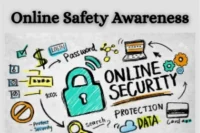
Every time you browse a website or install an app, you share personal data. This data includes your name, location, photos, passwords, and even banking details. Many users trust platforms without checking how they store or use this information. This behavior increases the negative effects of the Internet related to privacy.
Cybercriminals actively target regular users, not just large companies. A single weak password or fake email can expose your entire digital life. Once data leaks online, recovery becomes very difficult.
These risks grow when users ignore basic security habits.
- Hackers steal data through weak passwords and public Wi-Fi
- Malware enters devices through unsafe downloads and links
- Phishing emails trick users into sharing login details
- Identity theft causes financial loss and legal trouble
- Data leaks damage personal and professional reputations.
2. Misinformation and Fake News
The internet allows anyone to publish content without verification. False news spreads faster than real information because people share it emotionally. This problem highlights a major disadvantage of Internet that affects trust and judgment.
Many users believe headlines without checking sources. This habit leads to wrong opinions, poor decisions, and public confusion. Over time, people stop trusting even reliable information.
Once false content spreads, stopping it becomes very hard.
- Fake news influences political and social opinions
- Health misinformation puts lives at risk
- Algorithms promote popular content, not accurate content
- Social sharing spreads errors within minutes
- Users struggle to identify credible sources
3. Addiction and Mental Health Issues
Many people check their phones without thinking. Constant scrolling and notifications train the brain to seek instant reward. This behavior shows one of the most harmful Internet disadvantages.
Excessive use affects mental balance and emotional health. Users often feel anxious, distracted, or low after long screen time. These effects increase when online life replaces rest and reflection.
The design of platforms plays a big role here.
- Endless feeds keep users engaged for hours
- Social media comparison lowers self-esteem
- Notifications interrupt focus and sleep
- Excessive use reduces attention span
- Online validation creates emotional dependency
4. Time Wastage and Reduced Productivity
Many users go online for work or study but end up watching videos or scrolling feeds. Minutes turn into hours without notice. This habit explains a practical disadvantage of Internet in daily life.
Lost time affects goals, deadlines, and personal growth. Productivity drops when focus shifts from tasks to entertainment. This pattern impacts students, freelancers, and professionals alike.
Not all internet use creates value.
- Entertainment apps consume most screen time
- Multitasking reduces work quality
- Constant alerts break concentration
- Productive tools need discipline to work
- Clear limits improve efficiency
5. Physical Health Concerns
Long screen hours strain the eyes and body. Many users experience headaches, dry eyes, and neck pain. These problems connect directly to the harmful effects of Internet overuse.
Sitting for long periods reduces physical movement. Poor posture and late night screen exposure disturb sleep cycles. Over time, these habits damage overall health.
Small changes can reduce harm.
- Blue light affects sleep quality
- Poor posture causes back and neck pain
- Low movement increases weight gain
- Screen breaks protect eye health
- Proper seating improves comfort
6. Social Isolation and Weakened Personal Skills
Online chats replace face-to-face conversations for many people. Digital interaction feels easier but lacks emotional depth. This shift reflects a social disadvantage of Internet dependence.
When people avoid real interaction, communication skills weaken. Empathy and listening skills reduce with less real-world practice. Relationships suffer when screens replace presence.
Balance matters more than connection count.
- Online chats lack emotional cues
- Real conversations build confidence
- Excess use reduces social comfort
- Families spend less quality time
- Strong bonds need offline effort
7. Cyberbullying and Online Harassment
The internet gives anonymity to harmful behavior. Bullies target individuals through messages, comments, and posts. This issue shows a serious disadvantage of Internet platforms.
Victims often feel helpless and stressed. Online abuse follows them everywhere through their devices. Many cases go unreported due to fear or shame.
Platforms struggle to control this behavior.
- Trolling spreads negativity
- Stalking invades personal space
- Public shaming damages mental health
- Anonymity encourages abuse
- Reporting systems often act slowly
8. Digital Divide and Inequality
Not everyone accesses the internet equally. Many people lack devices, stable connections, or digital skills. This gap highlights a social disadvantage of Internet growth.
Limited access affects education and income opportunities. Students without internet fall behind peers. Communities without connectivity struggle to compete.
Technological progress must include everyone.
- Rural areas face weak connectivity
- Low-income families lack devices
- Digital skills remain uneven
- Online education excludes some learners
- Economic gaps continue to widen
9. Environmental Concerns
Most users never think about the internet’s environmental cost. Data centers run all day and consume massive energy. This impact adds a hidden disadvantage of Internet usage.
Frequent device upgrades create electronic waste. Old gadgets often end up in landfills. This cycle harms the environment long-term.
Digital habits affect the planet too.
- Streaming increases energy demand.
- Data centers raise carbon emissions
- Short device lifecycles increase waste
- E-waste pollutes land and water
- Sustainable use reduces impact
Conclusion
In this guide, we have covered the disadvantages of the internet. We discussed how security risks, misinformation, addiction, health issues, and social problems affect daily life, even though the internet offers many benefits. From my personal view, the best approach is not to avoid the internet but to use it with limits, awareness, and clear purpose. When you stay informed and control your usage, you reduce the negative impact while keeping the good parts.
Thank you for taking the time to read this guide. I truly appreciate your attention and hope the information helped you see the internet from a more balanced angle.
Please continue to the FAQ section, as it contains more useful information you may find interesting. Skipping it could mean missing something valuable.
FAQs
Here are some frequently asked questions to help you understand the limitations of the Internet better.
The main disadvantages of the internet include privacy risks, addiction, and misinformation. Many users also face time wastage and health problems due to excessive use. These issues grow when people use the internet without limits.
The internet helps students learn faster, but it also distracts them easily. Online games, social media, and videos reduce focus and study time. This shows the advantages and disadvantages of internet use in education.
Online privacy matters because personal data can leak or get stolen. Hackers and scammers target users through fake links and apps. These risks are major disadvantages of heavy internet usage.
The advantage of the internet includes quick access to information and communication. The disadvantage includes addiction, fake news, and reduced productivity. Understanding what is advantage and disadvantage helps users stay balanced.
Social media connects people across the world and supports businesses. At the same time, it causes stress, comparison, and cyberbullying. This clearly answers what are the advantage and disadvantage of social media use.
Yes, excessive internet use links to anxiety, low attention span, and sleep problems. Constant notifications and endless scrolling increase stress. These mental effects count as serious disadvantages advantages users often ignore.
Internet addiction starts with frequent and uncontrolled usage. Entertainment apps and social media feeds make users spend more time online. Over time, this habit becomes hard to control.
The internet can expose children to harmful content and online threats. Without guidance, kids may face cyberbullying or addiction. Parental control and time limits improve safety.
Users can reduce harm by setting screen time limits and taking regular breaks. Using strong passwords and trusted sources also helps. Responsible use lowers the disadvantages of the internet.
Responsible internet use improves learning, communication, and productivity. It allows users to enjoy benefits without facing major risks. This balance explains what are advantages when usage stays under control.


- Be Respectful
- Stay Relevant
- Stay Positive
- True Feedback
- Encourage Discussion
- Avoid Spamming
- No Fake News
- Don't Copy-Paste
- No Personal Attacks
- Be Respectful
- Stay Relevant
- Stay Positive
- True Feedback
- Encourage Discussion
- Avoid Spamming
- No Fake News
- Don't Copy-Paste
- No Personal Attacks
